What Is Line Shopping and Does It Matter for College Games?
If you've ever dabbled in sports betting—especially on college football or basketball—you’ve probably heard the term line shopping tossed around. But what exactly is line shopping, and why do so many savvy bettors swear by it? More importantly, does it actually make a difference when betting on college games?
In this post, we’ll break down what line shopping means, why it matters, and how it fits into the complex world of college sports betting. We’ll also look at how tools like the ESPN Sports Betting section and social media platforms can help you snag the best number for your wagers. Plus, if you're a fan of late-game strategy or enjoy digging into matchup research and film stats, stick around. This post has something for you.

What Is Line Shopping?
At its core, line shopping is the practice of comparing the same wager across multiple sportsbooks to find the most favorable odds or point spread before placing your bet. This might sound obvious, but surprisingly many bettors don't do it regularly.
Think of it like shopping for sneakers. The shoe is the same model, but some stores might price it $5 cheaper or throw in a bonus gift. When it comes to spreads or totals, a small difference like a half-point or a slightly better total can significantly impact your long-term winning percentage.
Examples of Line Shopping in Action
- An NFL game has a spread of -6.5 at Shop A, but -7 at Shop B. Taking -6.5 means you win the bet if the favorite wins by exactly 7, whereas -7 requires an 8-point margin for the same result.
- College basketball totals might be set at 139.5 points on one sportsbook but 141.0 on another. If you want to bet "over," the lower total is a better number to hit.
- Sometimes, a +3 on one book is +3.5 on another. That half-point swing is small but significant, especially when you’re betting on a few games per week.
That half-point difference or the best number you can get is where line shopping pays off. The difference might not make or break a single bet, but those small edges add up over time.
Why Line Shopping Matters Especially in College Games
College sports—particularly football and basketball—are unique in ways that make line shopping crucial.
1. Final Score vs. Betting Outcomes
Unlike just watching the final score for entertainment, beating the spread or hitting the total isn’t about who wins. It's about whether the favorite covers or if the total goes over or under the posted number.
This means you can have a thrilling game that ends 28-27, but your wager could hinge on a single point difference or how the refs call a late flag affecting scoring.
Because of this, chasing the best number via line shopping has a direct impact on your betting outcome—potentially more than just picking the overall winner.
2. Point Spreads and Late-Game Meaning
College football spreads often fluctuate a lot late in the week due to injury news or lineup changes. Sometimes a sportsbook's spread moves from -7 to -6.5 as kickoff approaches.
This spread difference matters because if you shop your lines again about 30 minutes before kickoff (trust me, do it), you might catch a line that offers better value. A half-point swing can be the difference between a push and a win.
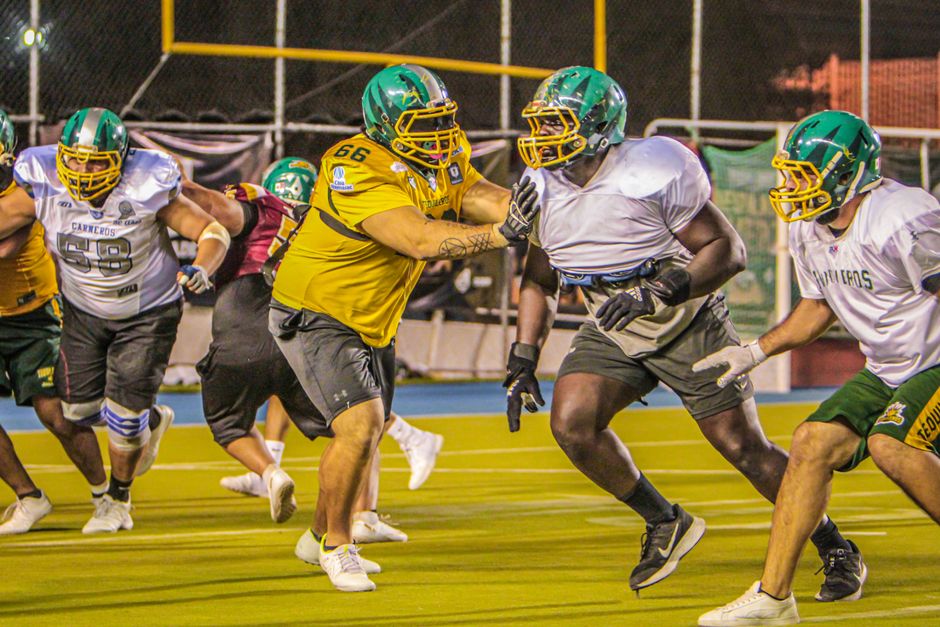
Also, given college teams' sometimes erratic styles and huge roster turnover, the line movement can reflect heartlandcollegesports more than just the game script—it often reveals where sharp money and insider info is going.
3. Totals and Pace in College Basketball
College hoops totals are tricky. Unlike the NBA, where pace is relatively stable, college basketball pace fluctuates wildly from team to team, matchup to matchup.
For example, a fast-paced team playing a previously slow-paced opponent told you one book’s 130.5 total might make sense, while another sportsbook might post 133.5 based on different tempo metrics.
Line shoppers who compare totals can pick the bet with the best angle. Whether that's "under" on a slow-paced matchup or "over" on a pair of offenses averaging 75+ points a game, getting the right best number for totals often translates into cash.
4. Matchup Research and Film-Stat Thinking
While line shopping is mostly about numbers on the board, pairing that with solid matchup research takes things to the next level.
If your film study shows that Team A’s defense is elite at forcing turnovers but they’re missing a key player, and Team B has an offense that thrives on exploiting mistakes, your research might tell you that a posted spread is either inflated or depressed.
Getting different sportsbooks’ numbers allows you to better evaluate value against your research. Say your research says the spread should be closer to +4 for the underdog, but many books open at +3; shopping the +3.5 or +4 spread might be your sharpest bet.
How to Use Tools Like ESPN Sports Betting Section and Social Media for Line Shopping
With the explosion of legal sportsbooks, keeping tabs on line movement and differences is easier than ever.
1. ESPN Sports Betting Section
ESPN’s Sports Betting section provides timely updates on spreads, totals, and line movement. Their betting trends and expert analysis can highlight where books are adjusting lines and what public money is doing.
While ESPN isn't a line aggregator, it alerts bettors to late-breaking news that often leads to line movement—precisely why checking your bookie’s lines again 30 minutes before kickoff is essential.
2. Social Media Platforms
Reddit threads, Twitter accounts like @SharpSide, or dedicated betting forums are goldmines for spotting line differences and unexpected line moves. Sharp bettors and insiders often post when they see anomalous line shifts or when certain sportsbooks release more favorable lines.
Following these platforms can help you find the spread difference worth chasing before games start. Just remember: social media can be noise too—don’t blindly follow viral picks as facts. Use what you learn to cross-check your own findings.
Line Shopping Best Practices for College Sports Bettors
- Identify multiple sportsbooks: Have accounts at 3-5 sportsbooks to easily compare lines.
- Check early and late lines: Review lines when they open and again 30-60 minutes before kickoff or tipoff.
- Know the key differences: Is a half-point difference worth a bet? In close spreads, absolutely.
- Focus on your strong suits: Use film study and stat research to identify games where the market may be mispricing the spread or total.
- Track weather and weird factors: Weather impacts totals and spreads, especially in outdoor college football games. Note how totals react on windy or rainy days.
- Brush up on terminology: Know terms like “juice,” “vig,” and “push,” so you understand exactly what you’re paying.
Conclusion: Yes, Line Shopping Does Matter for College Games
If you’ve ever bet on college games without comparing lines across sportsbooks, you’re leaving money on the table, plain and simple. While one-point spreads, half-point totals, or a better moneyline price might seem minor, these small edges compound quickly.
College football and basketball’s unpredictable pace, fluctuating line movements, and the importance of matchup nuances make line shopping a no-brainer. Add resources from ESPN Sports Betting and sharp insights from social media, and you’re well positioned to find the best number for your wagers.
So next time you’re diving into those Big 12 clashes or March Madness frenzy, don’t just pick a line and settle. Shop those lines, find the spread difference that matters, and make sports betting work for you—not the other way around.