Why Do Brands Pick Names That Sound Like a Person?
Some brands sound like places. Others sound like products, technologies, or ideas. And then there are brands that sound like someone you could meet: a first name, a title and surname, or a compact character-like name such as MrQ. That choice is rarely just a matter of taste. A human-sounding name can make a brand feel easier to approach, easier to remember, and easier to talk about.
Those qualities are especially valuable for app-first businesses, where people may encounter a name in a search result, an app store listing, a social post, or a small space at the top of a phone screen. In categories that require careful communication, including online gambling, the name also has to work alongside clear information about the company, its services, and the rules that apply.
So why do brands pick names that sound like a person? The short answer is that people are naturally good at remembering and responding to people. But a successful human-sounding name does more than add personality: it must be distinctive, pronounceable, appropriate to its category, and backed by actions that earn confidence. That is where human brand voice, approachability, and trust cues meet.
From casino halls to online names
Casino naming has always used different ways to shape expectations. Traditional casinos often leaned on grand settings, destination imagery, and signals of scale: names that suggested a resort, a landmark, or an atmosphere of spectacle. The name was part of a physical experience, supported by architecture, staff, signs, and a location people could visit.
Online casinos changed the setting. As gambling moved onto websites and then mobile apps, brands had to make an impression in a crowded digital environment. A name might appear in search engines beside competitors, in digital media advertising, or in a list of apps competing for limited screen space. It needed to be easy to read, type, say, and recall—often without the benefit of a building or a salesperson to explain it.
Early online casino names commonly drew on familiar category language: casinos, games, luck, jackpots, and other recognizable themes. Such words could tell people what the service was, but they also risked blending into a crowded field. Over time, many digital brands looked for shorter, more ownable names—names that could serve as a brand identity rather than just a description of the product.
Human-sounding names fit that shift. They can suggest a character, host, or conversational presence, helping a digital service feel less like an anonymous website. The name MrQ, for example, has a person-like title-and-initial structure. That observation alone does not tell us what the name means or how every customer interprets it; it simply shows how a compact, human-coded form can stand out from longer, category-heavy names.
People make brands feel approachable
A person-like name gives audiences an immediate mental shortcut. Instead of imagining an abstract platform, they can imagine a voice or character behind it. This can make a brand feel more conversational and less formal, which is one route to approachability.
That matters in digital spaces, where most interactions are mediated by screens. A customer may not meet an employee. They may encounter a brand through a button, a help page, a notification, or a short video. A human brand voice can make those interactions feel more coherent: the language sounds like it comes from the same recognizable source rather than a collection of disconnected messages.
But approachability is not the same as pretending to be a person. A brand does not need to imply that a real individual is personally handling every interaction. The https://varimail.com/articles/why-some-casino-names-feel-corporate-and-cold/ useful idea is human-centered communication: clear words, a consistent tone, and a sense that the organization understands what people need to know.
In a regulated category, that distinction is important. A friendly name should not distract from material information or make a service seem less serious than it is. Clear terms, responsible messaging, accessible support, and transparent company details do more to establish meaningful trust cues than a personable name can on its own.
Aspirational versus approachable branding
Brands often balance two different kinds of appeal. Aspirational branding invites people to imagine a more exciting, elevated, or successful version of an experience. Approachable branding emphasizes ease, familiarity, and a sense that the brand is for ordinary people, not just insiders.
Neither approach is automatically better. A high-status name might suit a luxury hotel or a premium product. A familiar, person-like name might suit a service that wants to feel direct and uncomplicated. The challenge is to make the name fit the experience the business can actually provide.
In online casino naming, the tension is especially visible. Casino imagery can be dramatic and aspirational, while a digital product also needs to feel understandable and usable on a phone. A human-sounding name can soften a category’s more theatrical cues. It can make the brand feel like a guide or host rather than an imposing destination.
That effect needs careful handling. “Approachable” should mean easy to understand—not casual about risk, rules, or customer responsibilities. If the name is warm but the service’s communications are vague, the brand creates a mismatch. The most credible positioning connects its tone to practical evidence: straightforward explanations, visible support options, and responsible product information.
Why pronounceability helps a name stick
Names that are easy to say are often easier to process. This is sometimes discussed as processing fluency: the feeling that information is simple to take in. A name with familiar sounds and a clear rhythm can be easier to pronounce, recognize, and repeat than one with awkward spelling or an unclear pronunciation.
That does not mean every short or simple name is memorable. A name still needs a point of difference. But pronounceability can lower the effort required to interact with it. That is useful when someone hears a name in a conversation, sees it briefly in a video, or tries to find it later in search engines.
Person-like names often have an advantage here because people already understand the pattern. We know how to read a first name, a title, or a familiar name structure. Even an invented character name can borrow some of that ease if it follows familiar pronunciation rules.
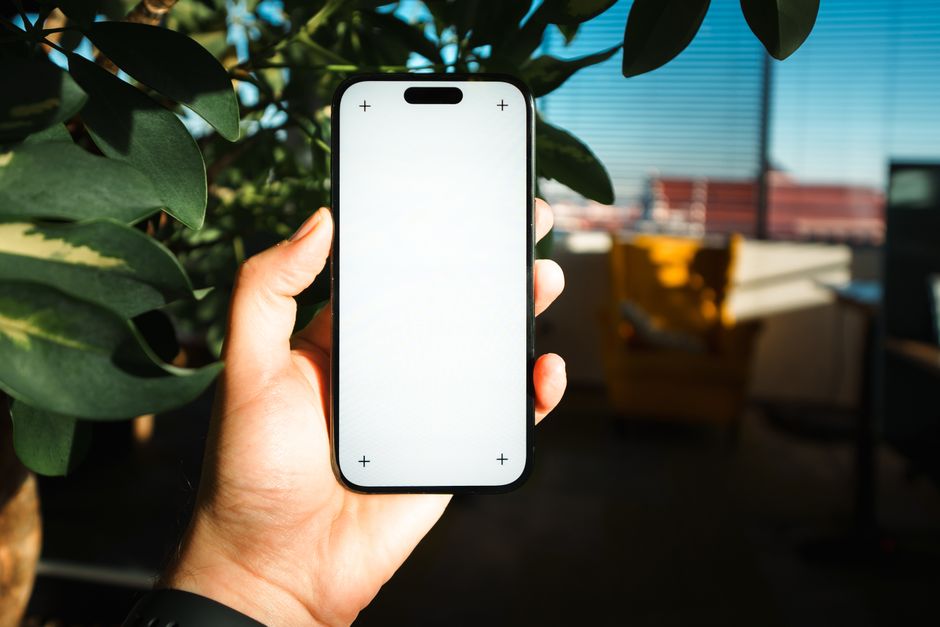
Before choosing a name, teams should test it in the conditions where customers will actually encounter it:
-
Say it out loud twice, in a normal conversation, and notice whether it feels natural.
-
Ask someone who has only heard it to spell it. A name that is easy to say but hard to type can create avoidable friction.
-
Look at it in a mobile search bar. Check whether it remains legible, distinctive, and easy to enter on a small screen.
-
Test whether people can repeat it accurately after hearing it once, without extra explanation.
These simple checks help catch a common problem: a name that looks clever in a presentation but is difficult to use in real life. If customers repeatedly misspell it, search for the wrong version, or cannot tell how to pronounce it, the brand is spending effort before the relationship has even begun.
Memorability needs distinctiveness
Being easy to process is only half the job. A brand name also needs to be easy to distinguish from other names. If a person-like name is too generic, it may feel familiar but disappear in a sea of similar brands. If it is too unusual, it may be distinctive but difficult to remember or spell.
The best territory is often a balance: familiar enough to say, unusual enough to own. A title, initial, unexpected pairing, or distinctive sound can help a name stand apart, while a compact structure keeps it usable. Still, uniqueness cannot be judged by intuition alone. Teams need to examine competitors, search results, social handles, app listings, and relevant trademark records before committing.
Digital media makes this work more important. A name can travel quickly through ads, creator content, reviews, and word of mouth. Each appearance gives people another chance to remember it—but also another chance to confuse it with a competitor. Consistent spelling and visual identity help the name build recognition across those touchpoints.
There is a practical test here: can someone hear the name, find the correct result in search engines, and recognize the same brand in an app or on a website? If the answer is no, the name may be generating attention without building usable memory.

Does a person-like name create trust?
A human-sounding name can create a sense of familiarity, but familiarity is not proof of trustworthiness. This distinction matters in every category, and particularly in regulated services. A warm name is a cue about personality; it does not establish that a company is reliable, safe, or compliant.
Trust cues should be concrete. They may include clear ownership information, accessible customer support, honest explanations of terms, appropriate safeguards, and consistent conduct. In the UK gambling market, the UK Gambling Commission (UKGC) is the regulator for licensed gambling operators in Great Britain. Its role and the requirements that apply to a specific service should be explained accurately; a brand name itself should never be treated as evidence of licensing or endorsement.
Research can help teams understand how people interpret names, but it must be used carefully. Pew Research Center, for example, publishes research on public attitudes and technology use. Such findings can offer useful context for understanding how audiences interact with digital services, but they do not automatically prove that a particular naming strategy will increase trust or conversion. Brand teams should test their own audience’s reactions rather than turning general research into a guaranteed outcome.
A useful principle is: let the name open the door, then let the experience support the impression. If the name sounds friendly, the service should communicate plainly and respectfully. If the name feels authoritative, the company should be especially careful not to imply credentials or assurances it cannot substantiate.
How to judge whether a human-sounding name is right
A person-like name is not a universal solution. Before choosing one, a brand team can ask whether the name helps express the intended personality and whether it works across the real customer journey.
-
Define the role. Decide whether the name should feel like a host, a character, a guide, or simply a distinctive label. Avoid inventing a personality that the company cannot consistently support.
-
Check category fit. Consider whether a human name makes the service clearer and more approachable, or whether it could create confusion about who operates it.
-
Test language and usability. Check pronunciation, spelling, mobile readability, and how easily people can find the name through search engines.
-
Review distinctiveness and availability. Examine competitors, digital media use, social accounts, app listings, and legal considerations before launch.
-
Verify the implied promise. Make sure the name and voice do not suggest personal attention, safety, status, or outcomes that the business cannot substantiate.
Branding goal
What a person-like name may contribute
What must support it
Approachability
A familiar, conversational impression
Plain language and usable support
Memorability
A character or name pattern people can recall
Distinctive spelling and consistent presentation
Trust cues
A sense of familiarity, not proof of reliability
Transparent information and responsible conduct
Digital usability
A compact name that can fit small screens
Easy typing, searchable spelling, and clear identity
The name is a starting point, not the relationship
Brands pick names that sound like a person because people are easier to picture, say, and remember than abstract organizations. A human-coded name can add warmth to a digital product, help it stand out in search results, and give a brand voice a recognizable anchor. In online casino naming, that can be one way to move beyond generic category language and balance aspirational imagery with approachability.
But a name cannot do the whole job. Pronounceability helps people process it; distinctiveness helps them remember it; and a consistent experience determines whether the initial impression holds up. A person-like name can invite a conversation. What the brand says, how clearly it says it, and how responsibly it behaves are what make that conversation worth having.